

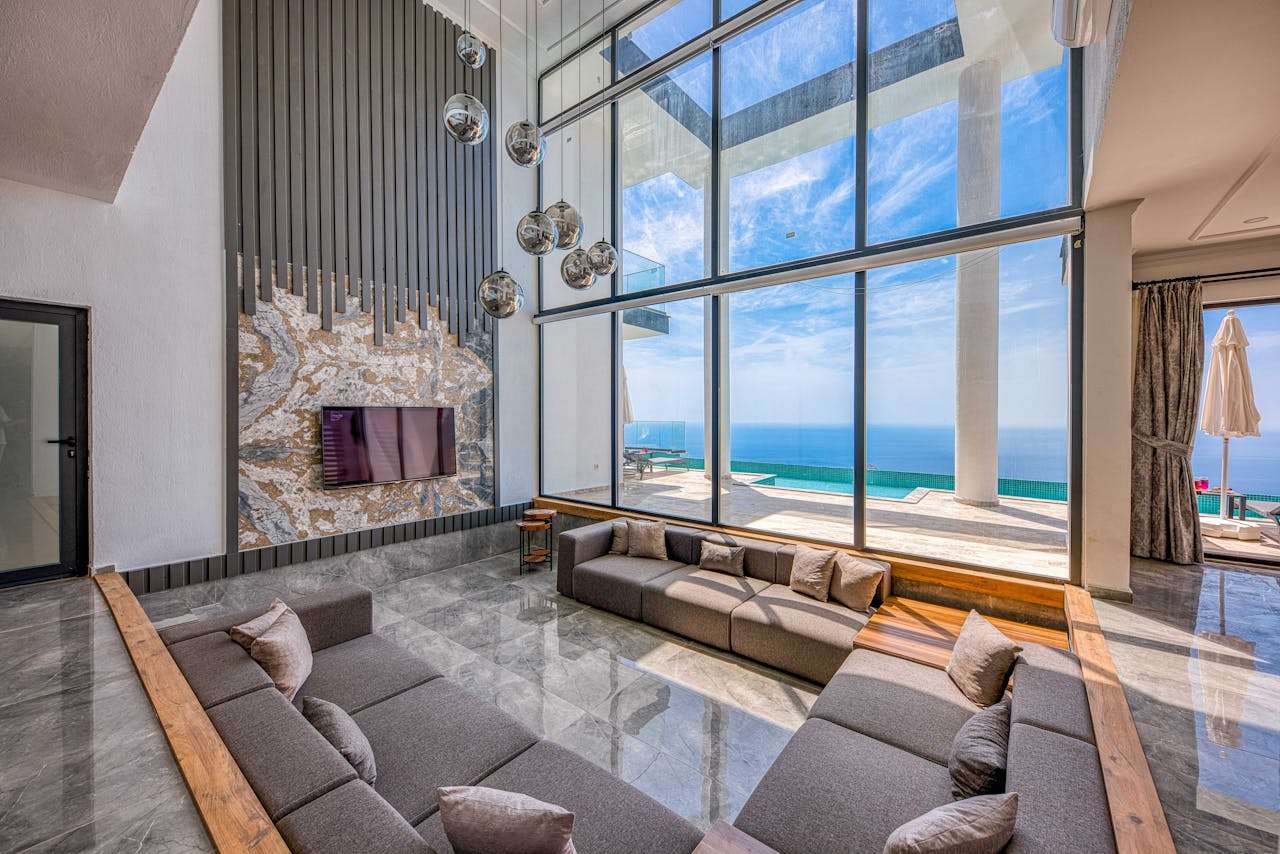
Truth is, money feels shaky these days. So people look for safer places to park it. Not surprisingly, high-end homes keep showing up near the top of that list. Solid returns stick around, especially when stocks twitch or currencies wobble. We see luxury real estate holding firm, offering something steady amid chaos. Long-term value? That part matters most. Quiet strength wins here.
Luxury Homes Hold Value During Market Swings
When everything else wobbles, high-end real estate stands firm. That corner of the market climbs steadily, without much drama. Value stays put, almost like it ignores the chaos around.
When lockdowns hit, a few high-end neighborhoods saw brief drops.
Still, top-tier homes rarely lose appeal for long. Crises might shake values a little, yet rebounds tend to follow. That kind of staying power shows resilience. Real value holds firm, even when markets wobble.
Luxury Homes Keep Value Over Time
Here is why high-end real estate pulls interest. Value holds strong over years, almost resisting erosion. Think of it as a shield when money loses strength. As costs rise, so do rents and home worth, usually. That steady push keeps buying muscle intact for those invested.
A place to live brings more than shelter – it grounds people emotionally. Ownership means holding something real, which future generations inherit. Value tends to climb when markets rise over time. People who held properties through decades have often stayed ahead of rising prices. The pattern speaks for itself.

Limited Availability and Exclusive Appeal
Only a few top-tier homes sit in the best locations. Their rareness pushes prices up, simply because there are so few. What matters isn’t only square footage. Think high-end finishes, one-of-a-kind structures, smart tech inside, also being somewhere others can’t reach.
Fancy finishes pull in those who want more. Demand stays strong, even when markets shift. Uncommon traits – things regular houses lack – keep these places wanted. Every time.
Capital Growth and Income Opportunity
Every now and then, high-end property values rise sharply. Places picked for their location often gain worth faster – particularly where roads, transit, and jobs are growing. This pattern shows up again and again.
Stability shows up in rental returns from these kinds of properties. Expats often chase high-end houses, same with top-level professionals – both pay well over time. Growth matters, sure, yet cash flow plays just as big a role here.

Conclusion
Here’s the takeaway. Even when markets wobble, high-end real estate holds firm. Stability shows up clearly, inflation tends to slide right past it, rare demand sticks around, gains often grow while income flows steady. Seems like a clear win, honestly. Fine homes, handled well, often become steady pieces of a lasting investment mix. That truth holds up over time.
FAQs
Could fancy homes dodge a money crash altogether?
Bouncing back strong, it holds up tough – yet slips might pop up now and then. Recovery happens, just not without hiccups along the way.
How do I pick the right luxury property for investment?
Start by picking areas that draw steady interest over time. What matters most shows up in how well it holds value later. Clear ownership details help avoid headaches down the line. A build that stands out often attracts tenants without much effort. Lasting growth hides in places where demand quietly builds.
What are the main risks with luxury property investment?
Heavy upkeep often ties up cash. Liquidity slips when big funds sit idle. Capital demands grow fast under pressure. Shifts in the market reshape everything quickly.
How long should someone plan to hold a high-end real estate purchase?
Five years – or longer – tends to work well, letting value grow while returns come steadily over time.

