
Renovate or Rebuild: How to Decide What’s Best for Your Home

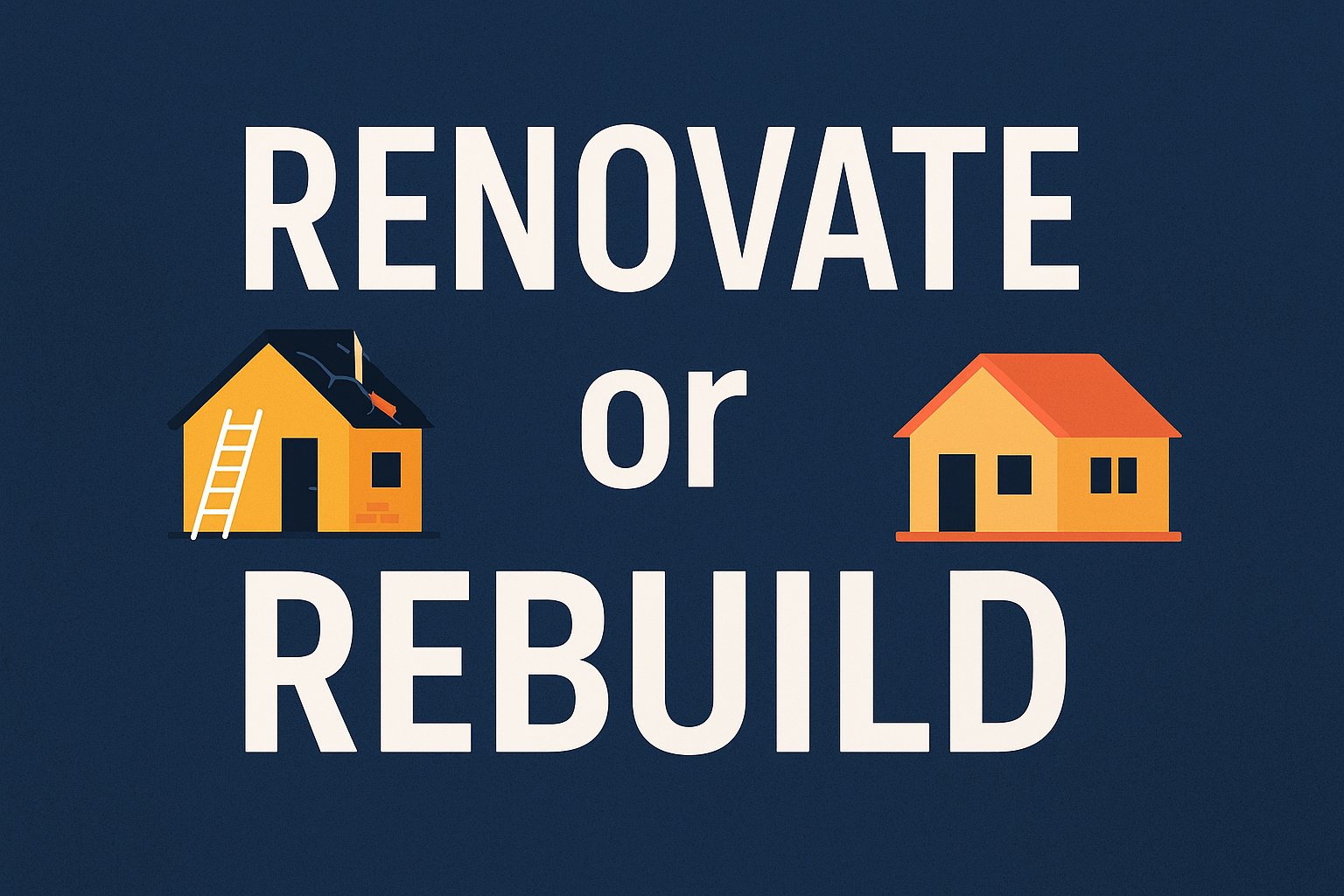
The more a house becomes outdated, damaged, or non-functional, the bigger the decision weighing on any homeowner’s mind-to renovate an existing structure or rebuild entirely. Not only is this a financial decision, but it’s also very emotional since homes hold memories, personal attachments, and long-term plans. Understanding the key factors will point out which option offers the best value and long-term benefit.
Assess the Present Condition of the Property.
First, one needs to evaluate the physical condition of the house. If the structure has major foundation problems, significant termite damage, plumbing failures, or big electrical faults, it may be cheaper to rebuild rather than renovate. Renovations work much better when the home has a solid structure but needs modernization or to have the space reconfigured.
Hiring a professional inspector or architect helps in identifying problems that are not easily noticed, some of which may influence your decision. Many times, what appears to be a minor repair turns out to involve major structural concerns once the work begins.
Compare the Costs
Cost is another major factor influencing decisions between renovation and rebuilding. Sometimes renovation costs more than forecasted due to unexpected repairs, changes in design, or complications in structure or system of the building. Generally, rebuilding allows for more predictable budgeting, as the construction is new, starting right from scratch with updated materials and systems.
These may require temporary living facilities, additional permits, or relocating utilities. If rebuilding is to be involved, the homeowners should consider every avenue of a complete financial comparison, both visible and hidden costs, to make an informed decision.
Think About Long-Term Value
Renovation is ideal for preserving architectural character, raising comfort levels, or improving rooms such as the kitchen or bathroom. However, rebuilding may prove even better if the home layout no longer fits today’s living standards or if energy efficiency and smart-home inclusions top the list of priorities.
Yet another advantage can be resale value: buyers often choose a newer home due to its superior layout and use of more durable materials, including the advances made in building code. On the contrary, when an older home has been renovated nicely, it can attract buyers who appreciate history and design details.

Review Zoning and Permit Requirements
Any building regulations in the area have to be researched by the homeowner before a decision is made. Areas such as neighborhoods or historical zones can set limitations on how much of a property can be changed or rebuilt. In some instances, rebuilding of specific homes is not allowed, while renovation must occur per preservation standards.
Understanding the zoning rules allows for the avoidance of unexpected delays and legal complications during the execution of the project.
Consider Emotional and Lifestyle Factors
Beyond cost and structure, there are lifestyle and attachment issues. Families who value memories attached to the home, or perhaps want to minimize disruption, renovation is a good fit. Those looking for a totally new start, or seeking a house that will better fit the future-such as a large, growing family or aging-in-place design-can find rebuilding worth investing in.
Conclusion
Changes in either renovation or rebuilding require careful consideration of structure, cost, lifestyle goals, and value. With proper planning and expert advice, one may confidently make decisions that will support one’s comfort and financial futures. Whatever one does-whether restoring an existing home or creating a brand-new one-the best choice is one that agrees with personal priorities and long-term vision.