
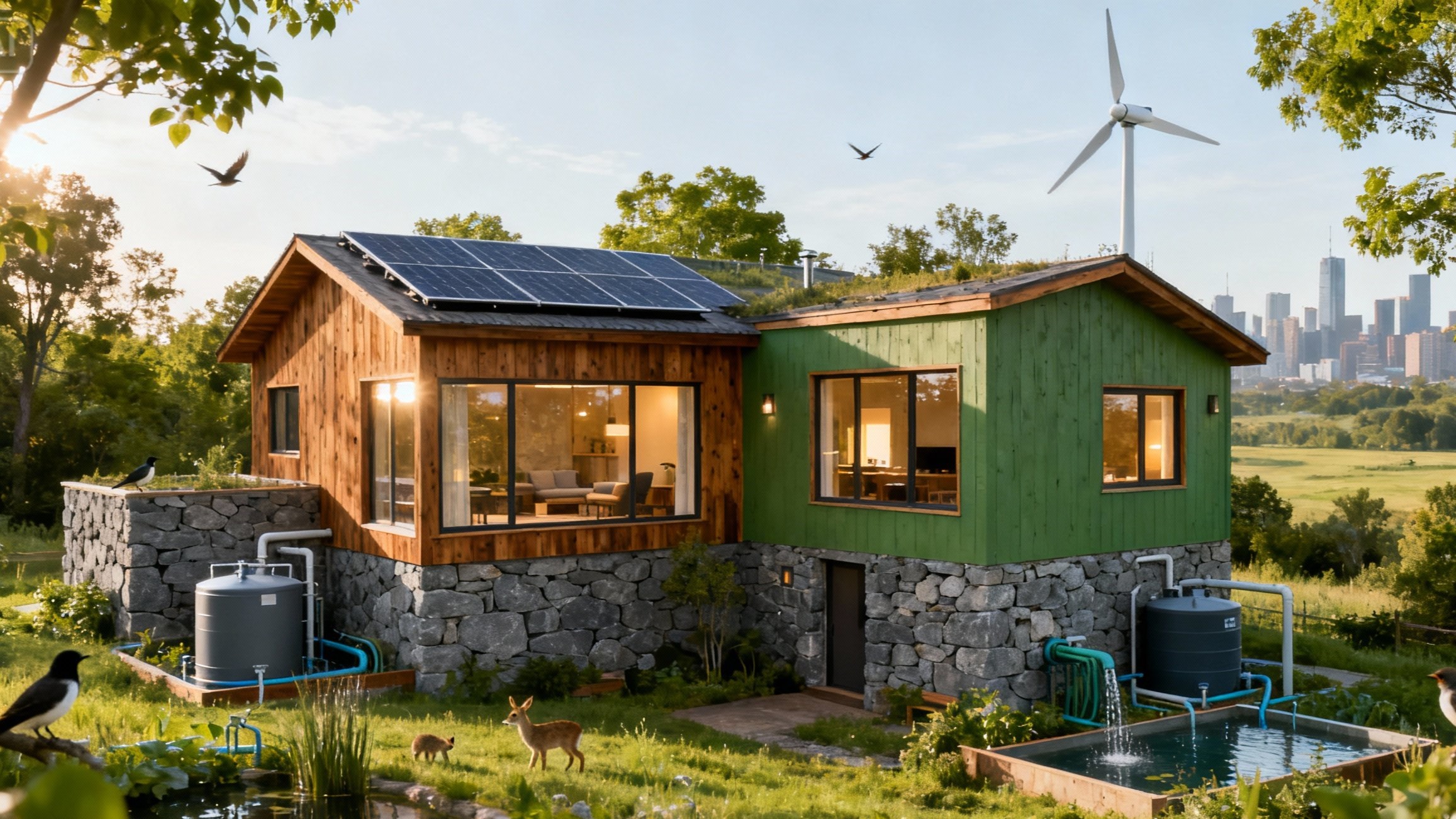
As cities grow, folks often look for quieter, greener spots close by. Choosing these spots for a small-footprint home mixes care for nature with everyday sense. Since people pay closer attention to how they use power and cut down trash – alongside picking natural building stuff – eco-homes make good sense today – and years ahead. These houses stress the planet less – even save money over time.
Understanding the Concept of a Green Home
A green house uses stuff from nature, also smart ways to save energy – maybe catching wind or sunlight – to help protect the planet. Once built, it feels better to live in because air moves freely, lights stay bright, power use drops, plus rain gets reused. People living close to city edges get comfort every day but don’t mess up animals’ homes or cut down forests.
Key Elements of Building a Green Home
1. Eco-Friendly Building Materials
The base of an eco-friendly house starts with smart choices in materials. Instead of new timber, try recycled wood or bamboo – they last long and save trees. Opting for low-VOC paint means fewer harsh fumes inside, which helps air feel cleaner. Choosing reused metal lowers the need to mine more raw stuff. Each move like this slashes harm while keeping things solid and good-looking.
2. Energy-Efficient Design
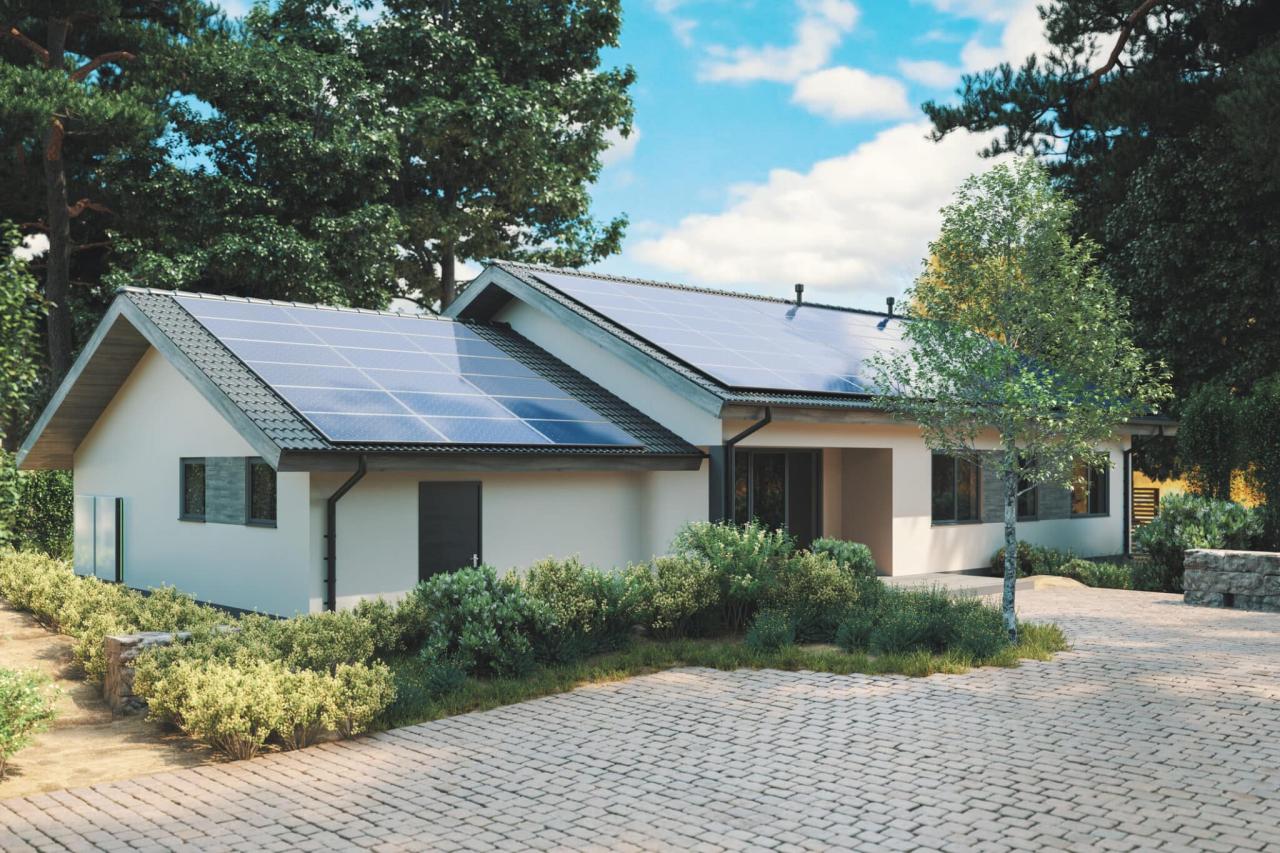
Good design shifts how structures operate. Big windows let sunshine inside, whereas clever setups make better use of daylight – on top of that, strong insulation cuts down power needs. Putting solar panels on roofs saves money on bills, meanwhile supporting eco targets.
3. Water Conservation Systems
Green homes usually have setups to collect rainwater, reuse water from baths and basins, or use efficient taps. Because of these changes, they need fewer city resources – so they work better in far-off spots without city services.
4. Smart Technology Integration
Smart thermostats work better when teamed up with lights that turn off on their own or devices tracking power use – they cut down energy loss every day. Small upgrades like these make living at home easier, pushing people to choose smarter options using actual numbers, not just hunches.
Why Build on the Outskirts of the City?
Built far from busy towns, eco-houses use cheaper plots – freeing up cash for stuff like sun panels or wide outdoor areas. With room to breathe, wind flows easy and sunlight pours in, which means AC runs way less. Not many buildings close by helps keep indoor temps stable, matching nature’s rhythm instead of relying on machines.
Folks who live outside cities often breathe cleaner air, dodge constant sounds, plus stay clear of packed places. That mix tends to boost overall health while creating a calmer daily rhythm – perfect for anyone chasing steady routines at home, on the job, or just unwinding solo.
Challenges and Considerations
Even when perks are there, putting up an eco-friendly house way outside cities takes thought. If you can’t easily hop on a bus or train, getting around drains hours – making nearby connections crucial. Still, clever layout choices, using sunlight or breeze, together with better use of materials could help clear those obstacles.
Conclusion
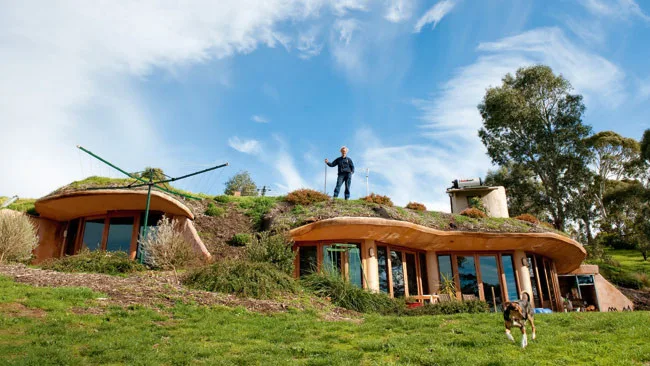
A green house outside town shows a shift in how folks view life these days. Yet, it links eco-friendly habits with up-to-date tech through one clear idea. Since cities get more crowded and Earth’s issues deepen, homes like this offer real answers – comfort paired with duty. Instead of holding on to old methods, picking new materials alongside smart layouts saves money later and lifts everyday comfort.

